














Why "I'm Fine" Is Doing So Much Heavy Lifting
"I'm fine" is one of the most overworked phrases in the English language. It covers everything from mildly tired to actively falling apart, and somehow it's expected to do all of that with a straight face.
Here's the thing: "I'm fine" isn't usually a lie. It's a shortcut. It's easier to say than "I'm anxious about something I can't fully explain" or "I've had a lot going on internally that has nothing to do with my face right now." So the phrase became a container for whatever's too complicated, too private, or too much effort to unpack in a hallway conversation.
The problem is that everyone else takes it at face value, because why wouldn't they. And so a lot of people walk around fine, fine, completely fine, while quietly carrying a lot that never gets said.
We're not here to tell you to stop saying it. Sometimes "I'm fine" really is the correct, efficient answer to "how's it going" from someone you'll never see again. But it's worth noticing when you're using it as a real answer versus a load-bearing wall. One of those is fine. The other one gets heavy after a while.
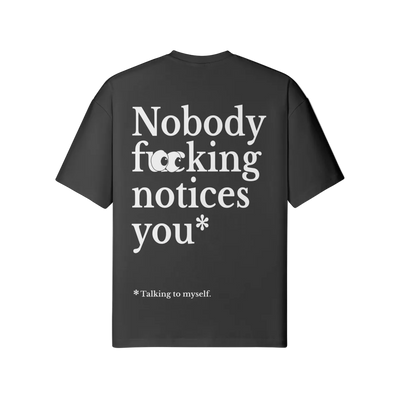
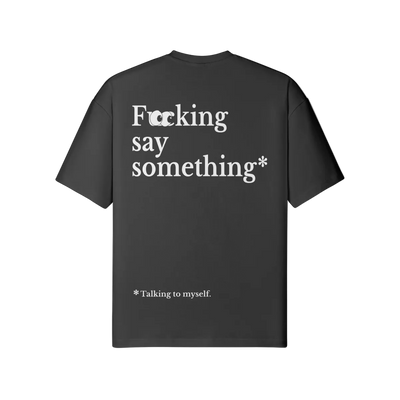
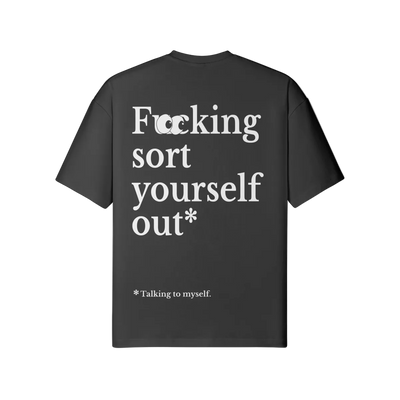
If any of this sounds familiar, that's kind of the whole point of this brand. We know "I'm fine" is doing a lot of work. We just wanted to say it out loud, on a t-shirt, so it feels a bit less like a solo mission.